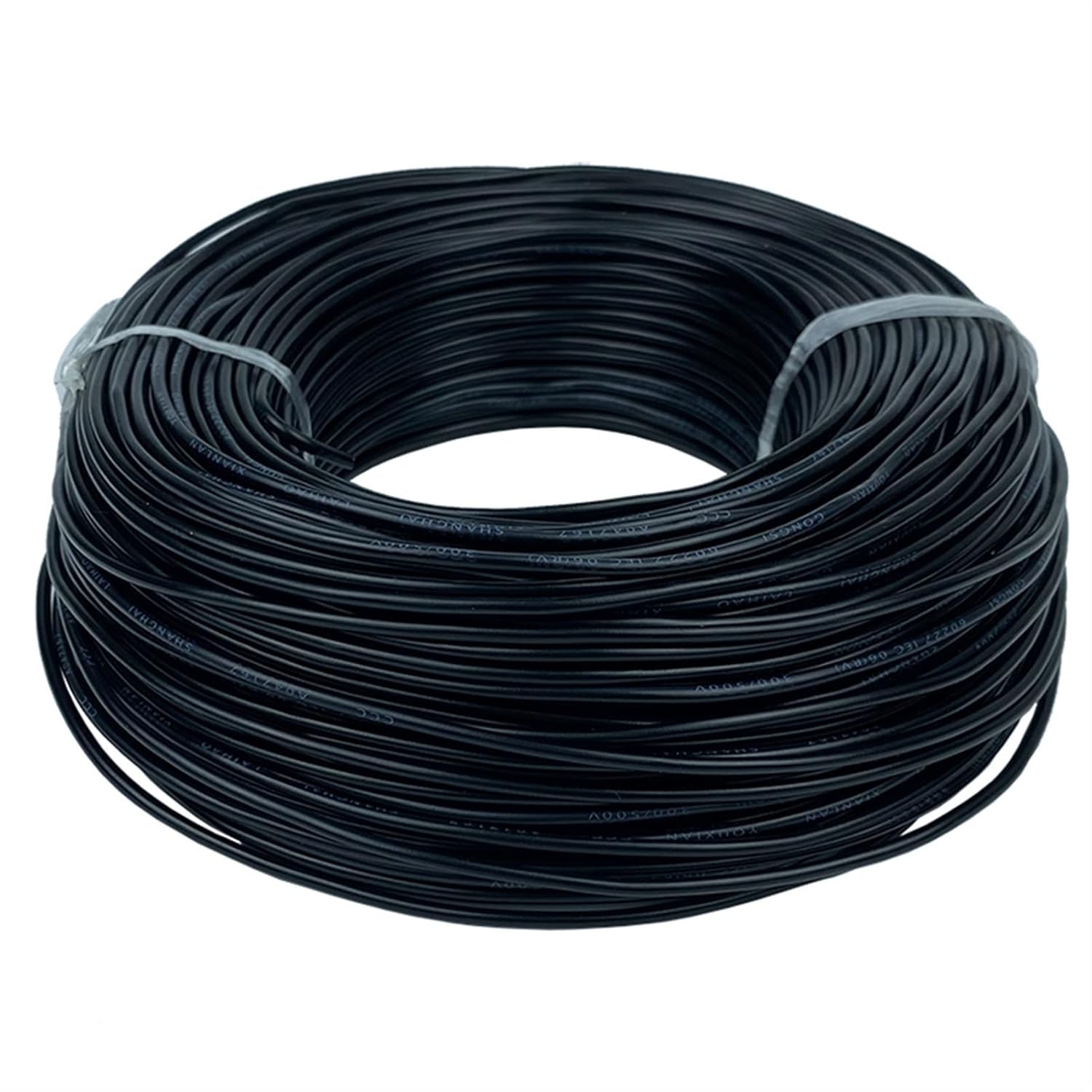
The Invisible Backbone: How Cables Enable Modern Connectivity
In today's hyper-connected world, cables serve as the invisible backbone that supports our digital lives. From the coaxial cables that deliver cable television to the fiber optic lines that enable high-speed internet, these essential components play a crucial role in facilitating communication and data transfer. Without cables, modern connectivity would simply cease to exist, leaving us isolated in a digital age that thrives on instant access and real-time interactions.
Cables are not just mere wires; they represent the intricate network that underpins our global communication infrastructure. Consider the various types of cables that are integral to our daily routines:
- Ethernet cables: These are crucial for wired internet connections, providing higher speeds and reliability.
- HDMI cables: Essential for connecting devices like TVs and projectors, enabling the streaming of high-definition content.
- Charging cables: They power our mobile devices, ensuring that we stay connected no matter where we are.
As technology continues to advance, the demand for high-performance cables will only increase, cementing their status as the unseen yet vital players in our connected world.
Counter-Strike is a popular first-person shooter game that has become a staple in the esports community. Players can choose to fight as terrorists or counter-terrorists, engaging in various mission objectives. For gamers who are often on the go, having the right accessories can enhance their experience, so check out the Top 10 Travel Electronics Organizers to keep your gear organized and accessible.
Types of Cables Explained: Choosing the Right Connection for Your Needs
Choosing the right type of cable for your needs can significantly enhance the performance of your devices and connections. The most common types of cables include HDMI, USB, Ethernet, and audio cables, each designed for specific functions. For instance, HDMI cables are ideal for connecting video and audio devices, ensuring high-definition quality, while USB cables facilitate data transfer and power supply between devices. Similarly, Ethernet cables are essential for establishing a wired internet connection, providing reliable speed and stability compared to wireless options.
When selecting a cable, consider the following factors:
- Compatibility: Ensure the cable fits your device's ports.
- Length: Choose a length that suits your setup without excess slack.
- Purpose: Determine if you need it for charging, data transfer, or audio/video output.
Are Your Cables Up to Date? The Importance of Cable Quality in a Digital World
In an era where digital connectivity drives our daily lives, ensuring that your cables are up to date is of utmost importance. High-quality cables play a critical role in maintaining reliable connections for everything from internet speeds to audio and video transmission. Outdated or subpar cables can result in frustrating issues such as slow data transfer rates, dropped connections, and even potential damage to devices. Thus, investing in quality cables not only enhances performance but also safeguards your valuable technology investment.
When assessing the adequacy of your current cables, consider several key factors. Compatibility with modern devices is essential; older cables may not support the latest technologies such as USB-C or Thunderbolt 3. Additionally, look for cables that are built with durable materials, like braided exteriors and gold-plated connectors, which can withstand wear and tear over time. By prioritizing cable quality, you can significantly improve your device's functionality and longevity, ensuring that you stay connected in our increasingly digital world.