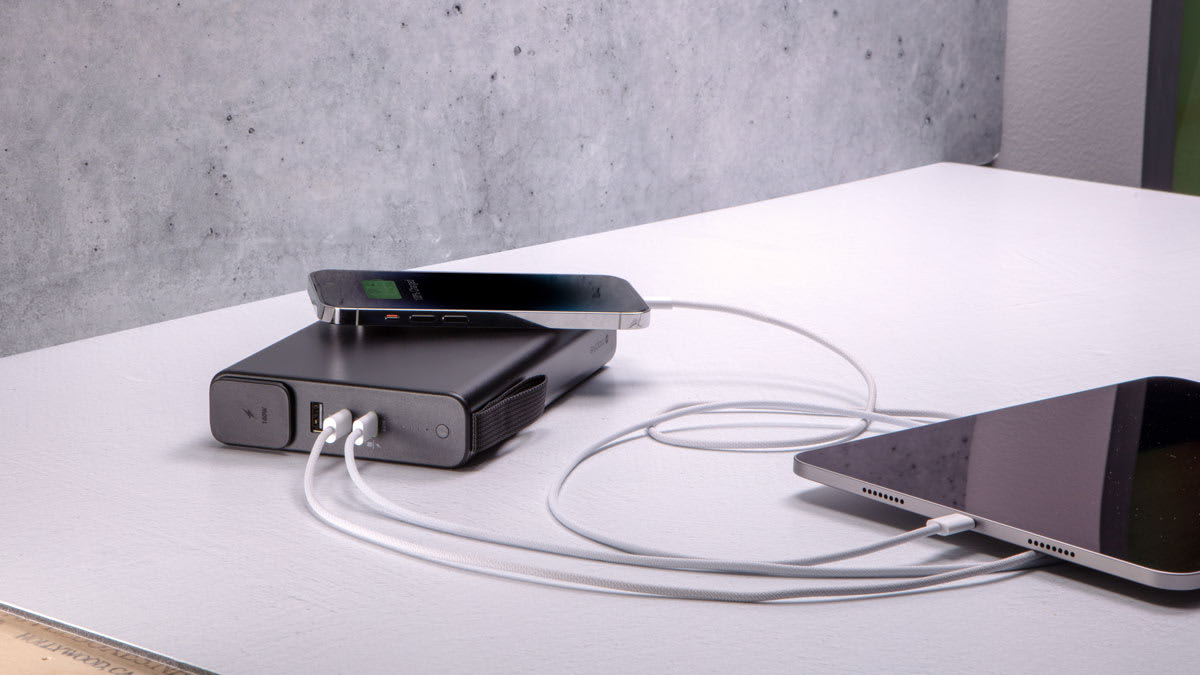
The Science Behind Mobile Charging: How Fast Chargers Work
The demand for fast chargers has surged in recent years as smartphones and other devices require quick power boosts. Understanding how fast charging works involves delving into the science of electricity and battery technology. Fast chargers utilize a principle known as Voltage and Current, where the charger increases the voltage allowed through the device’s circuitry while altering the current level. This process accelerates the flow of energy into the battery, dramatically decreasing the time it takes to reach a full charge. Most modern devices support Quick Charge or Power Delivery protocols, which enables safe, efficient charging at rates significantly higher than standard chargers.
Battery chemistry plays a crucial role in fast charging capabilities. Smartphones typically use lithium-ion batteries, which allow for rapid charging thanks to their internal structure. When a lithium-ion battery is charged, lithium ions move from the positive electrode to the negative one. Fast chargers enhance this process by optimizing heat dissipation and minimizing resistance to ensure the battery doesn’t overheat. Safety mechanisms are also in place to monitor temperature and voltage levels, preventing damage to the battery. By following these advanced charging techniques and understanding the science behind mobile charging, users can enjoy quicker charge times without compromising battery health.
Counter-Strike is a popular first-person shooter game that emphasizes teamwork and strategy. Players can choose between two teams: Terrorists and Counter-Terrorists, each with distinct objectives. In addition to gaming, technology enthusiasts often seek the Top 10 magsafe chargers for their devices to enhance their gaming experience with the latest accessories.
Myth vs. Fact: Debunking Common Misconceptions About Charging
One of the most pervasive myths about charging devices is that you should drain your battery completely before recharging. This misconception originates from older battery technologies, such as nickel-cadmium (NiCad) batteries, which suffered from memory effect. However, modern devices predominantly use lithium-ion batteries, which do not have this issue. In fact, allowing your battery to discharge completely can actually harm its lifespan. To keep your device in optimal condition, it's best to charge it when it reaches around 20% battery capacity, rather than letting it hit zero.
Another common misconception is that using a non-brand charger will damage your device's battery. While it's true that using low-quality or unbranded chargers can be risky, many reputable third-party chargers are safe and even optimized for various devices. The key is to ensure that the charger meets the specific voltage and current requirements of your device. Always look for chargers that have been certified by organizations such as UL or CE to avoid potential damage and ensure safe charging.
Is Your Phone Charging Too Slow? Understanding Charging Speeds and Solutions
Are you frustrated with your smartphone charging at a snail's pace? Understanding charging speeds is essential to diagnose and resolve this typical issue. Several factors can influence the rate at which your phone rejuvenates its battery, such as the charger type, cable quality, and even the power source. For instance, using a standard 5W charger will invariably yield lower speeds compared to a high-speed charger that can deliver 18W or more. Moreover, some devices support fast charging technologies like Qualcomm Quick Charge or USB Power Delivery, which can significantly reduce charging time.
If you're experiencing slow charging, try these quick solutions: 1. Switch the charger. Utilize the original charger that came with your device or invest in a certified fast charger. 2. Check your cable. A frayed or damaged cable can impede current flow. 3. Avoid using your phone while charging. Running apps can siphon battery power faster than it can charge. Lastly, 4. Clear any software issues, as outdated or misbehaving apps may interfere with the charging process. By identifying the causes of slow charging, you can take steps to improve your device's performance.