Top 5 Gadgets That Make Learning Fun for Students
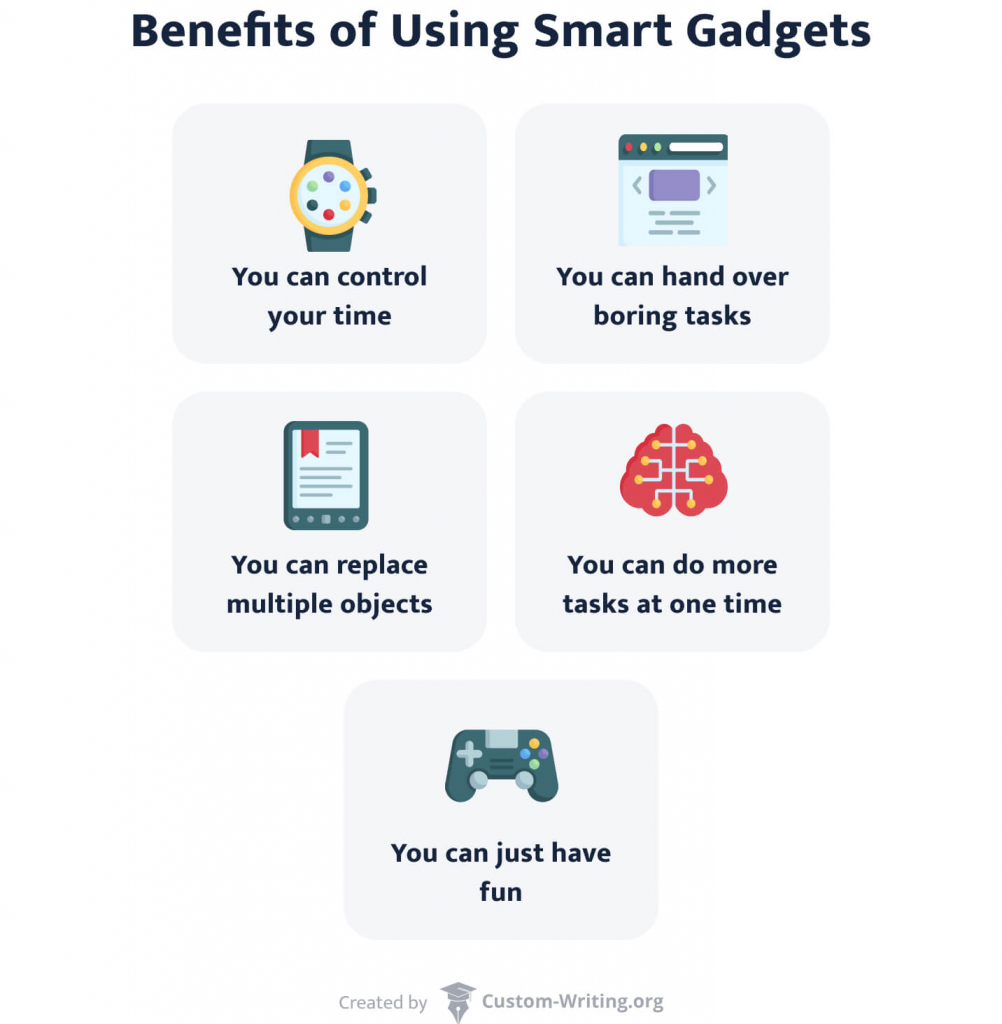
In the digital age, learning doesn't have to be a dull experience. With the right tools, students can not only grasp complex concepts but also enjoy the process! Here are the Top 5 Gadgets That Make Learning Fun for Students:
- Interactive Whiteboards: These modern devices transform traditional learning environments into engaging hubs of interaction. Students can collaborate in real-time, making lessons more dynamic and participatory.
- Tablets: Lightweight and portable, tablets come loaded with educational apps that cater to all learning styles. They make studying more interactive through multimedia resources, which can enhance retention and understanding.
- Virtual Reality Headsets: By immersing students in 3D environments, VR headsets provide unforgettable experiences that bring lessons to life. Whether exploring the galaxy or diving deep into the oceans, learning becomes an adventure.
- Smart Pens: These innovative tools allow students to capture notes and audio simultaneously, making revision easier. They can sync notes to digital devices, ensuring that no information is lost and making studying more organized.
- STEM Kits: These hands-on kits engage students in science, technology, engineering, and mathematics through practical experiments. By building and experimenting, students develop critical thinking and problem-solving skills, all while having fun!
Counter-Strike is a highly popular first-person shooter game that has captivated gamers since its initial release in 1999. Players join either the terrorist or counter-terrorist team and engage in intense, strategic gameplay. The game's competitive nature makes it a staple in the esports community, with numerous tournaments held worldwide. If you're looking for some great ideas for gamers, check out the Top 10 Tech Gifts for Students to enhance their gaming experience.
How Interactive Tech Can Transform Study Sessions into Playtime
In today's fast-paced digital world, interactive tech has emerged as a pivotal tool in transforming traditional study sessions into engaging and playful experiences. With the integration of gamification elements, students can now immerse themselves in learning activities that not only stimulate their cognitive abilities but also enhance motivation. For instance, utilizing educational apps that incorporate quizzes, challenges, and rewards can create a competitive atmosphere that mimics playtime. This shift not only makes the learning process enjoyable but also fosters a deeper understanding of the material, as students are more likely to retain information when they are actively participating in a game-like environment.
Moreover, incorporating interactive tech such as augmented reality (AR) and virtual reality (VR) can redefine the way students engage with their subjects. Imagine exploring ancient civilizations through a VR headset or conducting science experiments in a simulated lab without any safety hazards. These innovative tools allow for hands-on experiences that can resonate with students on a personal level. To fully capitalize on the benefits of interactive tech, educators and parents alike should encourage the use of these technologies in their study routines, making education synonymous with playtime.
Are Learning Gadgets the Future of Engaging Education?
In today's rapidly evolving educational landscape, learning gadgets are becoming integral tools that can revolutionize the way students engage with content. From interactive tablets to virtual reality headsets, these devices are designed to enhance the learning experience by providing immersive and interactive methods of acquiring knowledge. Research has shown that students who utilize learning gadgets in the classroom are more likely to retain information and demonstrate higher levels of enthusiasm for their studies, as these tools activate different learning styles and make complex subjects more approachable.
Moreover, the accessibility of learning gadgets opens up new avenues for personalized education. With a plethora of applications and programs available, educators can tailor lessons to meet individual needs, fostering a more engaging and effective learning environment. As technology continues to advance, the potential for learning gadgets to reshape traditional educational paradigms becomes increasingly evident. It prompts important questions about the future of education: Will learning gadgets ultimately replace traditional teaching methods, or will they serve as valuable supplements? Regardless of the answer, their influence on education is undeniable and poised to grow.