The Science Behind Non-Slip Grips: What You Need to Know
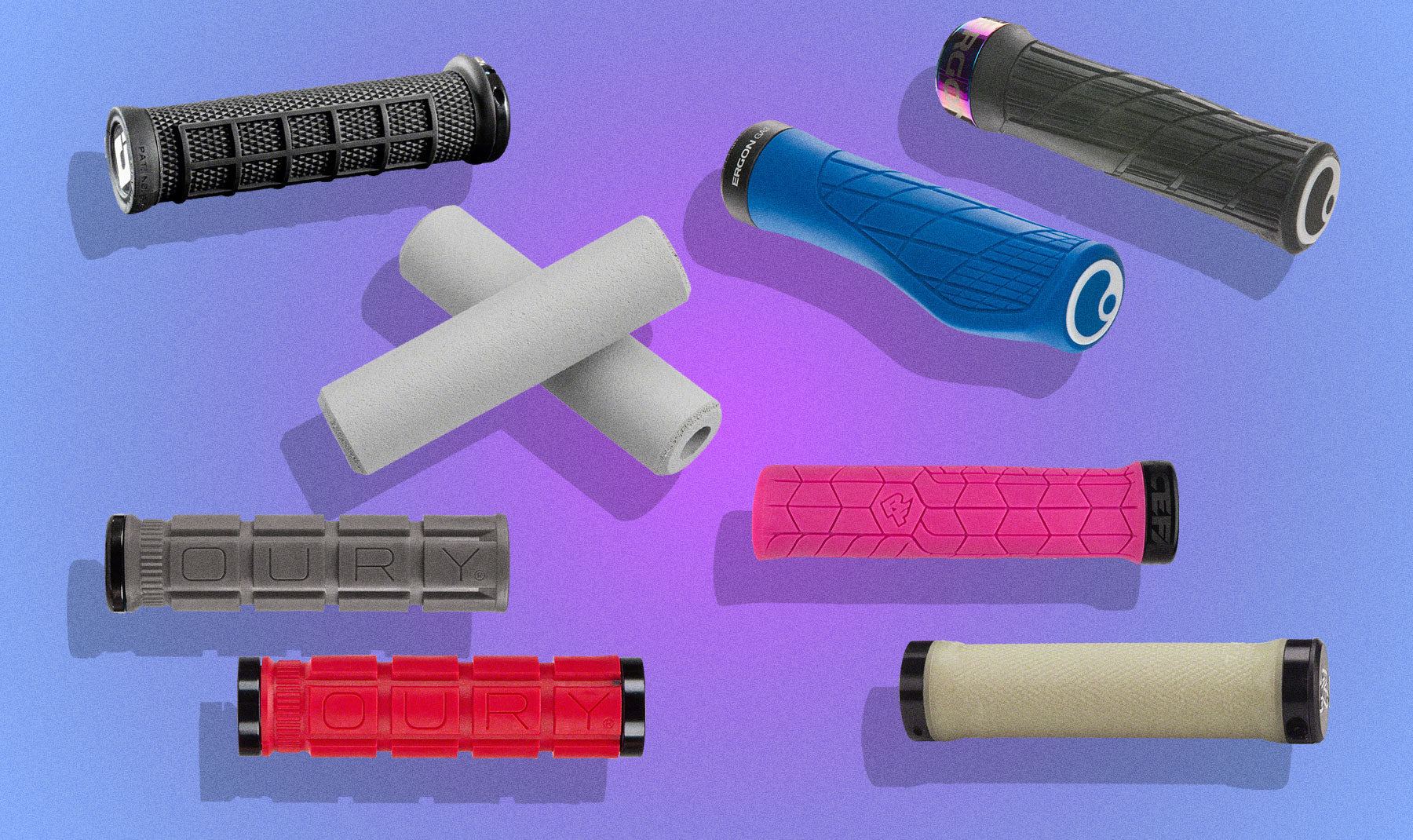
The science behind non-slip grips is fascinating, as it combines principles from physics, material science, and ergonomics. Non-slip grips are designed to enhance friction and provide a secure hold, which is crucial in various applications such as tools, sports equipment, and even everyday household items. The materials used in these grips, such as rubber, silicone, or specialized polymers, are engineered to create a higher coefficient of friction. This means they can effectively resist slipping, even when moisture or sweat is present. Moreover, the texture of the grip plays a significant role; a rougher surface area increases grip by allowing more surface contact and reducing the likelihood of slippage.
In addition to materials and surface texture, the design of non-slip grips is essential to their effectiveness. Ergonomic shapes that conform to the user's hand not only promote comfort but also enhance control. For example, features such as contoured shapes or added finger grooves can significantly improve a user’s grasp while reducing fatigue. When researching the performance of non-slip grips, it's vital to consider factors like temperature, humidity, and the intended usage environment, as these can greatly impact the functionality. Understanding the science behind these grips is key for manufacturers aiming to produce high-quality products, ensuring safety and efficiency in their use.
Counter-Strike is a popular tactical first-person shooter game that emphasizes teamwork and strategy. Players can choose to play as terrorists or counter-terrorists in various game modes. For a more immersive experience, check out the Top 10 iphone gaming accessories that can enhance your gameplay.
Choosing the Right Grip for Your Sport: A Comprehensive Guide
Choosing the right grip for your sport can significantly impact your performance, comfort, and overall experience. Different sports require distinct types of grips, whether you're holding a tennis racket, cycling handlebars, or a golf club. For example, a tennis grip should provide a combination of control and comfort, while a golf grip focuses on stability and precision. It's essential to consider factors such as the size of your hands, your playing style, and the equipment specifications before making a decision.
To help you navigate the various options, we've compiled a list of the most popular types of grips used in different sports:
- Tennis: Eastern, Western, and Continental grips
- Golf: Interlock, overlap, and ten-finger grips
- Cycling: Flat, ergonomic, and racing grips
Testing out various grips is a great way to find the best fit for your needs, so don’t hesitate to experiment with a few until you discover the perfect option that enhances your game.
How to Improve Your Performance with the Perfect Hold
Improving your performance can often hinge on the perfect hold. This essential skill not only enhances your grip strength but also increases your overall effectiveness in any physical activity. Whether you're climbing, lifting, or practicing martial arts, mastering the right hold can lead to significant improvements. To achieve this, begin by assessing your current grip techniques and identifying areas for improvement. Factors such as hand alignment, finger placement, and wrist position play a crucial role. Start with simple exercises that focus on grip strength, and gradually incorporate more complex movements as your confidence and ability grow.
Incorporating the perfect hold into your routine can elevate your performance to new heights. Here are a few tips to consider:
- Practice regularly: Consistency is key. Set aside time each week specifically for grip training.
- Use various grips: Experiment with different types of holds to challenge your muscles and improve versatility.
- Focus on technique: Ensure that your form is correct to prevent injuries and maximize efficiency.
By following these strategies, you'll be well on your way to enhancing your performance through the perfect hold.