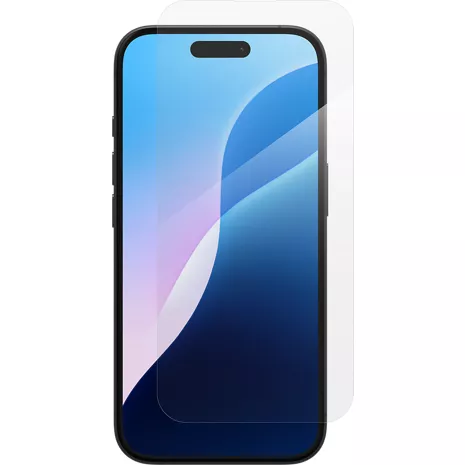
How Screen Protectors Work: The Science Behind Your Device's Defense
Screen protectors are thin layers of material designed to shield the screens of electronic devices from scratches, cracks, and other forms of damage. Their effectiveness lies in the materials used and the science behind their construction. Typically made from tempered glass or durable plastic such as PET or TPU, these protectors absorb and disperse impact, preventing it from reaching the delicate screen underneath. The top layer of a glass screen protector is often treated with a hardness rating, such as 9H, which indicates its resistance to scratches from everyday objects like keys and coins.
In addition to mechanical protection, many modern screen protectors also feature coatings that enhance their functionality. Some have an anti-glare coating to reduce reflections or a blue light filter to minimize eye strain. Others may include oleophobic layers that repel fingerprints and smudges, ensuring that your device remains clean and responsive. Understanding how screen protectors work can help users make informed choices about which products to use, ensuring their devices remain in pristine condition for as long as possible.
Counter-Strike is a popular first-person shooter game that emphasizes teamwork and strategy. Players join either the terrorist or counter-terrorist team to compete in various game modes. For those looking to enhance their gaming experience, check out the Top 10 Google Pixel Accessories to find the best tools and gear.
The Top 5 Benefits of Using a Screen Protector for Your Smartphone
In today's digital age, protecting your smartphone is more crucial than ever. One of the most effective ways to safeguard your device's screen is by using a screen protector. Screen protectors offer a host of benefits, which can significantly enhance the longevity and functionality of your smartphone. Here are the top five benefits:
- Scratch Resistance: The primary purpose of a screen protector is to shield your device from scratches that can occur from everyday use, such as putting your phone in your pocket or bag with keys.
- Increased Resale Value: A well-maintained smartphone with a pristine screen can fetch a higher price when reselling, making a screen protector a smart investment.
- Reduced Glare: Some screen protectors come with anti-glare features that make it easier to see your screen in bright environments.
- Shatter Protection: While screen protectors can't prevent all damage, they can absorb impact and reduce the chances of your device's screen shattering when dropped.
- Improved Touch Sensitivity: Modern screen protectors are designed to maintain the touch sensitivity of your screen, ensuring a seamless user experience.
Do You Really Need a Screen Protector? Debunking Common Myths
When it comes to protecting your device, the question of whether you really need a screen protector is often debated. Many believe that screen protectors are unnecessary, especially with the advancement in smartphone technology. However, it's important to understand that even the most durable glass can scratch and crack upon impact. In fact, studies reveal that smartphone screens are more susceptible to scratches from everyday items like keys and coins than most people realize. Therefore, having a screen protector can significantly reduce the risk of permanent damage and costly repairs.
Additionally, some myths surrounding screen protectors suggest that they can diminish touch sensitivity or display clarity. However, with modern designs, these products are often made from high-quality materials that maintain the original feel and look of your screen. For example, tempered glass protectors are specifically engineered to offer high transparency and touch responsiveness, ensuring that your user experience is unaffected. In conclusion, investing in a screen protector is a proactive measure that can help preserve your device's appearance and functionality for years to come.