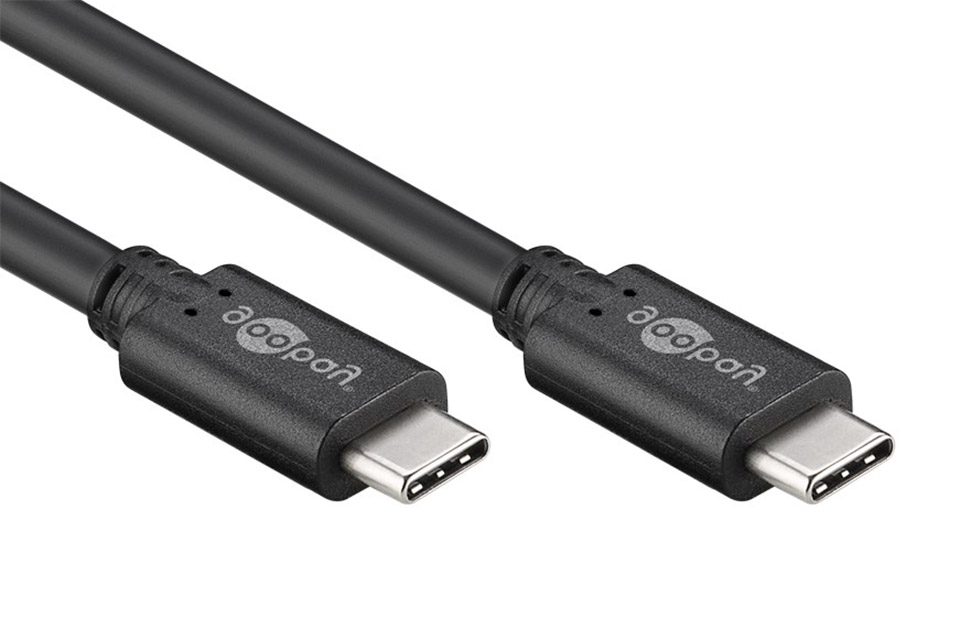
10 Essential Devices That Use USB-C: A Complete Guide
In today's tech-savvy world, USB-C has emerged as a universal standard for charging and data transfer. This versatile connector is replacing older USB types in a wide range of devices due to its ability to deliver faster charging and higher data transfer rates. In this guide, we will explore 10 essential devices that use USB-C, showcasing how this technology is transforming our everyday gadgets.
1. Laptops: Many modern laptops, like the MacBook Pro and Dell XPS series, rely on USB-C for both charging and connectivity.
2. Smartphones: Most newer smartphones, including Google Pixel and Samsung Galaxy devices, have adopted USB-C, facilitating quicker data transfers and charging.
3. Tablets: Devices such as the iPad Pro and Microsoft Surface Pro utilize USB-C for versatile connectivity options.
4. Headphones: Increasingly, wireless headphones and earbuds are incorporating USB-C for charging instead of traditional methods.
5. Game Consoles: The Nintendo Switch uses USB-C not just for power but also for docking and connecting to displays.
Counter-Strike is a popular first-person shooter game that focuses on team-based gameplay and strategic objectives. Players choose to play as either terrorists or counter-terrorists, engaging in various missions such as bomb planting and hostage rescue. For gamers looking to enhance their setup, check out the Top 10 MacBook Accessories for Office that can improve performance and comfort during intense gaming sessions.
How USB-C is Revolutionizing Connectivity Across Gadgets
The introduction of USB-C has significantly transformed the way we connect our devices, making it a universal standard that simplifies interactions between different gadgets. This versatile connector is not only reversible, allowing users to plug it in either way, but it also supports a range of protocols, including Thunderbolt and DisplayPort, enabling high-speed data transfer and video output. As a result, tech enthusiasts can now connect their laptops, smartphones, and tablets with a single cable, reducing the clutter of multiple adapters and contributing to a cleaner, more efficient workspace.
Furthermore, the widespread adoption of USB-C is driving innovation across the tech industry, encouraging manufacturers to integrate this technology into their products. This change has led to a surge in accessories, from docking stations to high-capacity power banks, all designed to take advantage of the USB-C ecosystem. With its ability to deliver up to 100 watts of power, users can charge their devices faster than ever before, ensuring that connectivity remains uninterrupted, whether at home, in the office, or on the go. As more devices embrace this standard, the future of connectivity looks brighter than ever.
Is USB-C the Future of Charging? Here's What You Need to Know
As technology continues to evolve, the emergence of USB-C has sparked significant discussion about its potential to become the standard for charging devices. This versatile connector offers faster data transfer speeds and power delivery compared to its predecessors. Many manufacturers, including Apple, Samsung, and Google, are already integrating USB-C into their devices, suggesting a clear trend towards universal compatibility. With its reversible design and ability to transmit both power and data simultaneously, USB-C is certainly making the case for being the future of charging.
However, despite the growing adoption of USB-C, there are challenges ahead that might affect its widespread acceptance. Issues such as varying implementations of the standard, compatibility with older devices, and the existence of multiple charging standards can create confusion for consumers. To fully realize the potential of USB-C, industry stakeholders must work together to ensure consistency and reliability. As we look forward, the question remains: will USB-C emerge as the definitive solution to the ever-evolving landscape of charging technology?